Lunchbox Diplomacy: Why Brown Moms Are Done Apologizing for the Smell
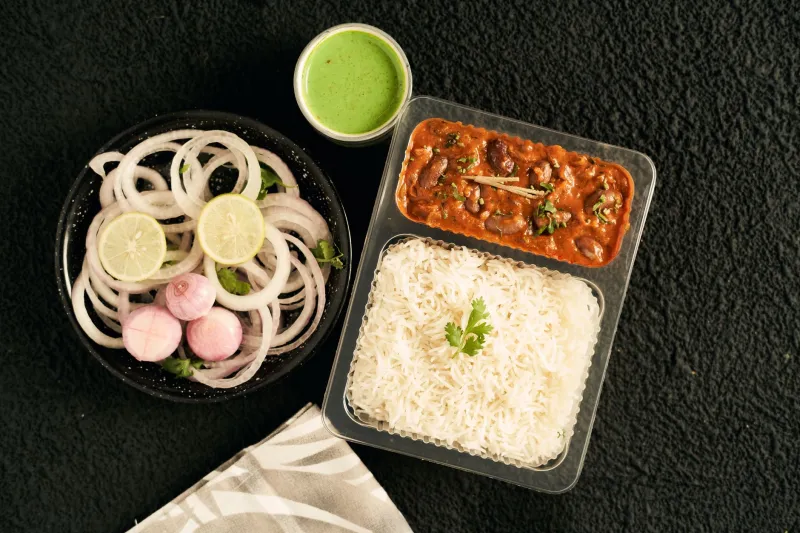
Let me paint you a picture. It's 7:14 in the morning. You're standing at the kitchen counter, sleep-deprived, still in your dupatta, and you've just finished packing the most lovingly assembled lunch your kid has ever received. Leftover aloo paratha, a small container of mango pickle, some cut fruit with chaat masala, and maybe a little thermos of dal if you were feeling generous. You zip up the bag. And then — almost involuntarily — you hesitate.
Will the teacher say something? Will another kid make a face? Will my child come home embarrassed?
That pause? That's not anxiety. That's a decade of accumulated cultural messaging telling you that your food — your mother's food, your grandmother's food — is somehow too much for a plastic-tabled cafeteria in suburban America.
And brown moms are done with it.
The Lunchbox Has Always Been Political
Here's what nobody says out loud but every brown mom knows: the school lunchbox has never just been about food. It's a daily referendum on how much of yourself you're willing to show up as in a space that wasn't originally designed with you in mind.
For years — decades, really — immigrant moms and first-generation American moms made the quiet calculation. Pack the safe stuff. The sandwich. The apple. The thing that blends in. Reserve the real food for home, where nobody's watching, where the smell of tempering mustard seeds doesn't require an explanation.
The cost of that calculation? It's not nothing. Kids grow up learning that their home food is something to hide. That the flavors they associate with love and safety are somehow embarrassing in public. That there are two versions of their life: the one at the table with their family, and the one they perform at school.
The 'Spicy Food' Conversation We've All Had
Ask any brown mom and she will tell you about the incident. Maybe it was a school nurse flagging a child's lunch as "unusual." Maybe it was a well-meaning teacher asking, "What is that smell?" Maybe it was another parent at a birthday party making a joke about Indian food that landed like a brick.
These moments aren't always malicious. Sometimes they're just clumsy. But they accumulate. And they send a very clear message to our kids about which foods — and by extension, which parts of their identity — are considered acceptable in American public life.
The irony? Those same "smelly" lunches are now on the menus of trendy restaurants charging $22 for a bowl of dal. Chaat is having a moment. Birria is everywhere. The food our mothers were quietly ashamed to send to school is now being celebrated by the exact same culture that made us hide it.
What We're Actually Protecting When We Pack the Paratha
Food is memory. This is not a metaphor — it's neuroscience. The foods our children eat during childhood become emotionally coded in ways that last a lifetime. When we pack the paratha, we're not just feeding a kid. We're building a sensory archive. We're saying: this is what home tastes like. This is what love looks like when it's pressed flat and cooked on a tawa at 6 a.m.
When we replace that with a peanut butter sandwich to avoid attention, we're not protecting our kids. We're teaching them to protect themselves from themselves.
And look — nobody is saying every lunch has to be a cultural statement. Some days it's literally just whatever's in the fridge. But the choice to pack authentically, even knowing someone might raise an eyebrow? That's an act of quiet resistance that matters.
Brown Moms Are Changing the Cafeteria, One Container at a Time
Here's what's actually happening, slowly but unmistakably: brown moms are pushing back. Not always loudly. Not always in the form of a strongly worded email to the principal. Often it's subtler than that.
It's the mom who packs the biryani every single Friday without apology. The one who sends a note explaining what's in the container — not because she has to, but because she wants her kid's teacher to understand, to ask questions, to learn. It's the mom who taught her daughter to say, "It's called saag paneer and it's literally delicious, do you want to try some?"
These are small moves. But small moves, repeated across thousands of lunchboxes in thousands of schools across America, add up to something.
Some schools are actively responding. Multicultural food days (however imperfect) are becoming more common. Teachers are being trained to respond to food diversity with curiosity rather than concern. And kids — especially Gen Alpha kids who are growing up in a far more food-diverse America than their parents did — are often more open than we give them credit for.
What We Owe Our Kids at Lunchtime
We owe them food that nourishes them. Obviously. But we also owe them the experience of eating that food without shame. We owe them a parent who didn't spend the morning anxious about whether the thermos of khichdi would cause a scene.
Does that mean ignoring real allergen concerns or being dismissive of school policies? No. Be thoughtful. Be considerate of other kids with allergies. Pack a spoon. Maybe include a little card with the name of the dish if your kid is young and still learning to explain it.
But don't pack the bland sandwich because you're afraid of the smell. Don't hollow out your child's lunchbox to make other people more comfortable. Don't teach your kid that their culture is something that needs to be contained.
Pack the paratha. Send the thermos. Let it be fragrant and bold and unapologetically yours.
Because the cafeteria has been beige for long enough.