Curry vs. Chicken Nuggets: The Dinner Table Battle Every Brown Mom Knows Too Well
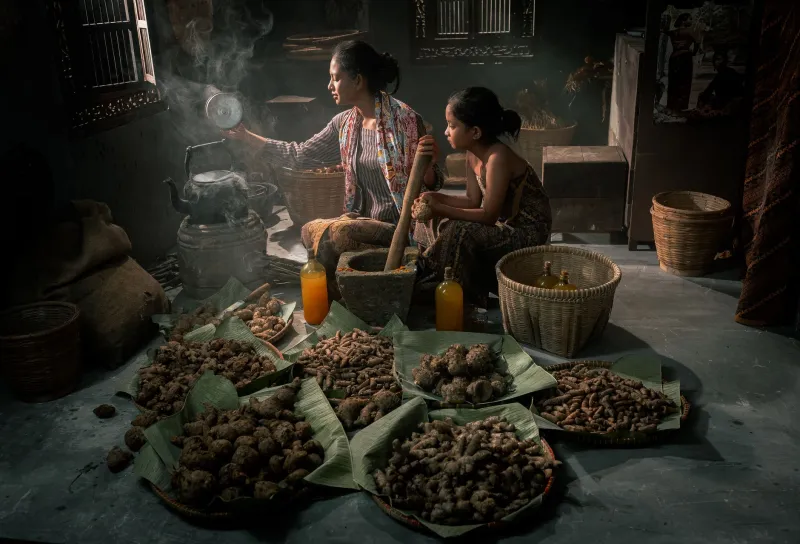
Let me set the scene. It's a Tuesday evening. You've been simmering a pot of your mother's signature lamb curry since 4 PM — the one that takes patience, the one that smells like every childhood memory you have, the one that means something. Your kid walks into the kitchen, takes one dramatic sniff, and announces, "Ew, what is that?"
And just like that, something small inside you breaks.
If you're a brown mom raising kids in America, this moment is practically a rite of passage. The dinner table becomes a cultural battlefield, and honestly? Nobody prepares you for just how personal it feels when your child rejects the food that once sustained generations of your family.
Why Food Hits Different When It's Cultural
Food is never just food — not for us. When your mom made biryani on Sundays, or your tía rolled tamales at Christmas, or your grandmother stirred a pot of jollof rice on a slow Saturday morning, those weren't just meals. They were acts of love, identity, and belonging. They were the language of home.
So when your six-year-old pushes away that plate with their nose wrinkled, the rejection doesn't just feel like a picky eater moment. It feels like a tiny fracture in the thread connecting your child to everything that came before them.
Child development experts will tell you that food neophobia — the fear or reluctance to try new foods — is completely normal in kids, peaking between ages two and six. But here's what the pediatric nutrition pamphlets don't cover: the specific grief of a brown mom watching her kid choose a plain cheese quesadilla over the dish her own mother made with love every single week.
The Pressure We Put on Ourselves (and Them)
There's a particular guilt that lives in the brown mom experience. We want our kids to be "American enough" to fit in at school lunch tables, but "brown enough" to know where they come from. Food becomes this impossible measuring stick for how well we're doing that balancing act.
We tell ourselves things like: If they don't eat the curry, they'll lose the culture. If they grow up only wanting mac and cheese, I've failed somehow.
But here's the honest truth — forcing a child to eat something they genuinely dislike doesn't build cultural connection. It builds resentment. And a kid who associates their heritage food with dinner-table standoffs and tears is not a kid who's going to grow up craving that food as an adult.
Pressure backfires. Research on feeding dynamics consistently shows that the more we push, the more kids dig in their heels. The table becomes a power struggle, and food becomes the casualty.
Practical Ways to Build the Bridge (Without the Battle)
So what actually works? A few things that real brown moms have found helpful — not perfect, but helpful.
Start with the familiar lane. Your kid already loves certain flavors. Work with that. Does she love ketchup? Introduce her to tamarind chutney — tangy, slightly sweet, not so far from what she knows. Is he obsessed with anything crispy? Pakoras might just be his gateway drug into the spice aisle.
Make them part of the process. Kids are infinitely more willing to eat something they helped create. Let them tear the cilantro leaves, stir the pot, count the cardamom pods. Ownership changes the relationship to food. It goes from "something I'm being forced to eat" to "something I made."
Tell the story on the plate. Context matters. Instead of "eat your dal," try "this is the same recipe your great-grandma made in Punjab when your nana was little." You're not just serving food — you're serving lineage. Kids are more curious than we give them credit for, especially when they feel like they're being let in on a family secret.
Allow both/and, not either/or. Serve the curry and some rice they'll definitely eat. Serve the spicy dish and the plain yogurt on the side. Meeting kids where they are isn't selling out — it's smart parenting. The goal is exposure over time, not compliance tonight.
Be patient with the timeline. Food researchers suggest it can take anywhere from 10 to 15 exposures to a new food before a child accepts it. That means your kid rejecting saag paneer eight times doesn't mean they'll reject it forever. Keep putting it on the table, low pressure, no drama.
Making Peace With the Possibility That They Might Never Love It
Here's the part nobody really wants to say out loud: your child might grow up and never love your mother's curry the way you do. They might be 30 years old and still prefer a burger over biryani. And that will have to be okay.
Cultural identity is not a checklist. A child who doesn't love spicy food can still be deeply, beautifully connected to where they come from. They can still know the stories, speak the language (even imperfectly), celebrate the holidays, and carry the values. Food is one thread in a much larger tapestry.
And sometimes — this is the part that actually gives me hope — the love comes later. How many of us spent our childhoods embarrassed by the smell of our moms' cooking, only to find ourselves desperately trying to recreate that exact dish in our own kitchens at 35? The relationship with heritage food is long. It doesn't have to be settled at the dinner table tonight.
The Real Win at the Table
Maybe the goal isn't a child who eats everything you grew up eating. Maybe the real win is a child who grows up knowing that food means something in your family. That certain smells mean love. That cooking is an act of care. That their grandmother's recipes are worth preserving even if they're not ready to eat them yet.
Feed your kids. Tell them the stories. Keep cooking what you love. And when the chicken nugget requests come — and they will come — take a breath, plate the nuggets, and put a small spoonful of dal on the side anyway.
The table is a long game, mama. You've got time.